Installation
April 15, 2026
Choosing the Right Septic System for Central Texas
Not every property fits the same septic system. Here is a plain English look at your options and how we help you pick the right one.
April 15, 2026
It is the question we get asked more than any other, usually by somebody who has just bought a place in the country and inherited a septic system with no paperwork and no history. Fair question, and it deserves a real answer instead of a shrug.
Here is the honest version, along with everything that moves the number in one direction or the other, and what it actually costs you when the schedule slips.
Most Central Texas households need their septic tank pumped every three to five years. If you have to pick a number and stop reading, use four years.
But that range exists for a reason. A retired couple in a three bedroom house on a well managed system can go longer. A family of six with a garbage disposal and two loads of laundry a day can need it sooner than three. The rest of this article is about figuring out which one you are.
Tank capacity is the single biggest factor. A 1,000 gallon tank serving four people fills much faster than a 1,500 gallon tank doing the same job. Older rural systems in this part of Texas are often smaller than what a modern household would be permitted today.
Every person in the house adds waste and water. Going from two occupants to four does not slow the schedule down a little, it roughly cuts it in half. This is why we tell folks to call us after a big household change, not on a calendar reminder set five years ago.
Long showers, frequent laundry, a leaking toilet flapper nobody has noticed. Water volume pushes liquid through the tank faster than solids can settle, and unsettled solids go straight to the drain field. A running toilet can send hundreds of gallons a day through a system built for a fraction of that.
A garbage disposal can nearly double the solids going into your tank. If you use one regularly, plan on the short end of the range. If you can compost instead, your septic system will thank you and so will your wallet.
Older tanks with worn baffles do not separate solids as cleanly, which means more material escapes toward the field between pumpings. If your system has some years on it, shorter intervals buy you real protection.
This is the part worth understanding, because the cost of skipping a pumping is not the cost of the pumping.
A septic tank works by letting solids settle to the bottom and grease float to the top, so that only the relatively clear liquid in the middle flows out to the drain field. As sludge builds up, that middle layer gets thinner. Eventually solids start washing out with the liquid and into the drain field trenches.
Once solids clog the soil in a drain field, that soil does not recover. The field stops accepting water, and the repair is not a service call. It is excavation, new trenches, new gravel, and a yard that has to be put back together.
Pumping is the cheapest thing you will ever do for your septic system. A drain field replacement is one of the most expensive.
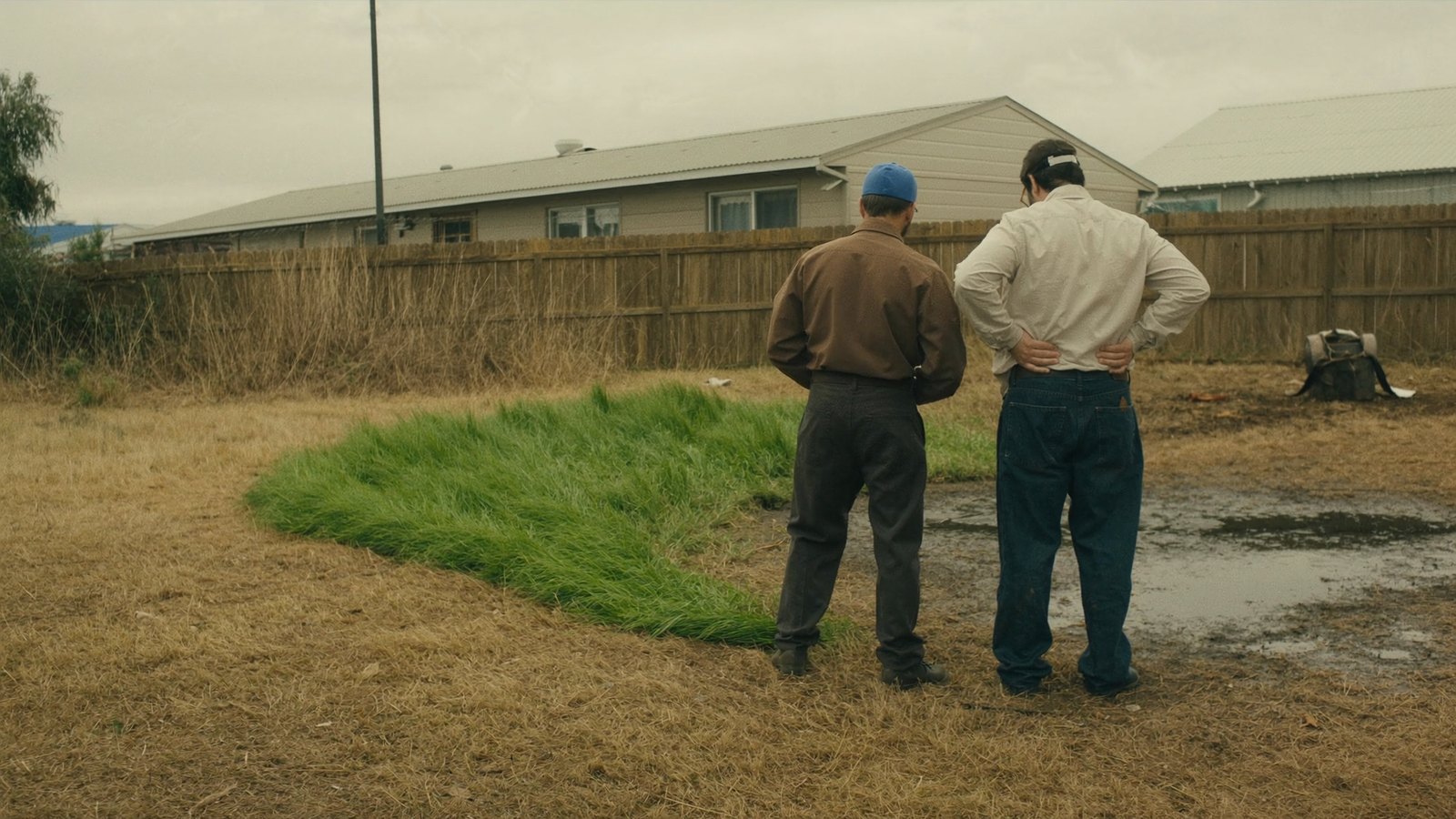
Slow drains across the whole house. Gurgling pipes. Odors near the tank lid or out over the field. Soggy ground or a bright green stripe of grass where the trenches run. Any of those means stop waiting on the calendar and call somebody.
Rather than pumping on a fixed schedule and hoping it is right, we measure. When we service a tank we check the sludge and scum layers, which tells us exactly how full the tank is and how quickly it is filling for your household.
That gives you a real interval instead of a rule of thumb, and it usually saves people money over the long run because they stop pumping a tank that did not need it yet.
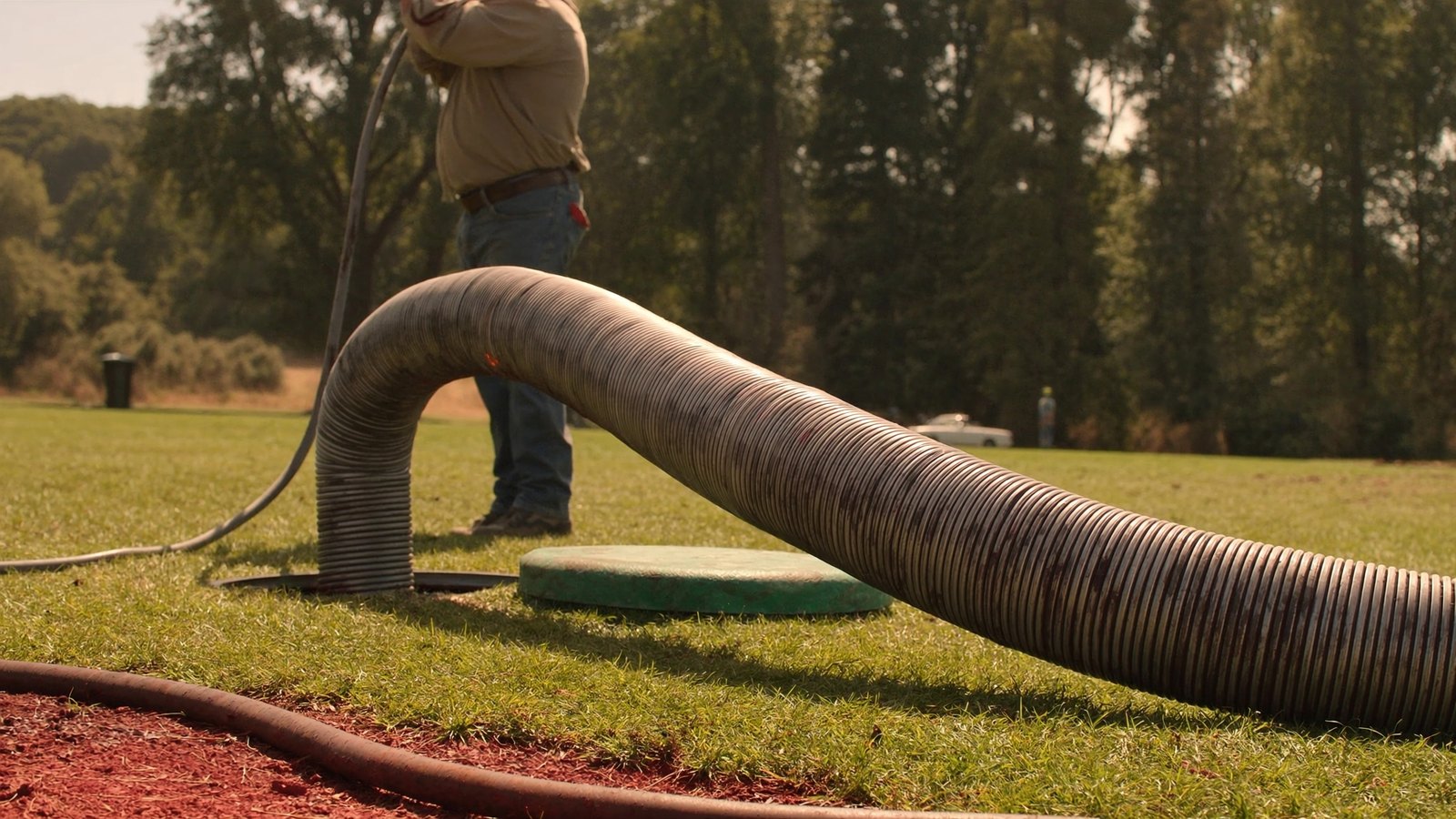
We locate and uncover the lids, check the sludge and scum levels, pump the tank down completely, and inspect the baffles and the inlet and outlet while everything is empty and visible. That inspection is half the value of the visit. Problems are easy to see in an empty tank and nearly impossible to see in a full one.
Then we tell you what we found and when we think you will need us next. If everything looks good, we say so.
Fix running toilets and dripping faucets. Spread laundry across the week instead of doing six loads on Saturday. Keep grease, wipes, and paper towels out of the drains, whatever the packaging claims. Keep vehicles, trailers, and livestock off the drain field, and keep deep rooted trees well away from the lines.
None of that is complicated, and together it can add a year or more between service calls.
Write down the date every time the tank is pumped and keep it with your house papers. It helps us, it helps the next owner, and it turns a guess into a plan. If you are buying a place and the seller has no record at all, treat the system as due and get it inspected before closing.
Then it is probably time. Tim, Lois, and our crew pump and inspect septic tanks across Central Texas, and we will give you a straight answer about what your system needs and a free estimate before we start. Call us at (254) 744-5856.
more news

View All
From new installs to fast repairs, Tim and Lois Rhodes keep Central Texas flowing. Get an honest, no pressure estimate today. We come out, look at your land and your system, and tell you plainly what it needs and what it will cost. No call center, no upselling, and no charge for the estimate.
Get an Estimate

When Your System Gets Crusty, Call Dusty
Mon - Fri 8am - 8pm
Office: 254-744-5419
Sat - Sun
24/7 Service: 254-744-5384
© Dusty Rhodes Septic & More LLC. All rights reserved. Designed by Cedarsphere.