Installation
April 15, 2026
Choosing the Right Septic System for Central Texas
Not every property fits the same septic system. Here is a plain English look at your options and how we help you pick the right one.
April 15, 2026
Septic systems almost never fail without warning. They complain first. The trouble is that the early complaints are quiet and easy to explain away, and by the time a system is obviously broken, the repair bill has usually tripled.
After 27 years of digging up Central Texas yards, we can tell you that most of the emergencies we get called out to were sending signals for weeks. Here are the seven we see most often, what each one usually means, and what it costs you to keep waiting.
A single slow sink or tub is almost always a local problem. Hair, grease, or a blockage in that one line. Snake it and move on.
When the kitchen sink, the bathroom sink, the shower, and the washing machine all drain slowly at the same time, the problem is downstream of all of them. That points at the tank or the line running to it. Usually it means the tank is full and liquid has nowhere to go.
That bubbling sound when a toilet finishes flushing or a tub empties is air being forced back up the line. In a healthy system, waste moves out and air moves through the vent. When the tank is full or the outlet is partly blocked, the air has to find another way, and it comes back at you through the drains.
Gurgling on its own is not an emergency. Gurgling that has gotten worse over a few weeks is worth a phone call.
Sewage smell near a drain often means a dry trap or a venting problem, both of which are usually cheap fixes. But if the smell is in more than one room, or it comes and goes with heavy water use, the system itself is backing pressure up the line.
A smell over the tank lid or out across the drain field is more serious. Treated water should not have an odor by the time it reaches the soil. If it does, the tank is not settling solids properly, and those solids are heading somewhere they should not go.
Standing water, spongy ground, or boot prints that fill in behind you when the rest of the yard is dry is one of the clearest signs of a failing field. The soil has stopped accepting water at the rate the household produces it, either because the trenches are clogged with solids or because the field has simply reached the end of its life.
This one does not get better on its own. It gets worse every time somebody runs the washing machine.
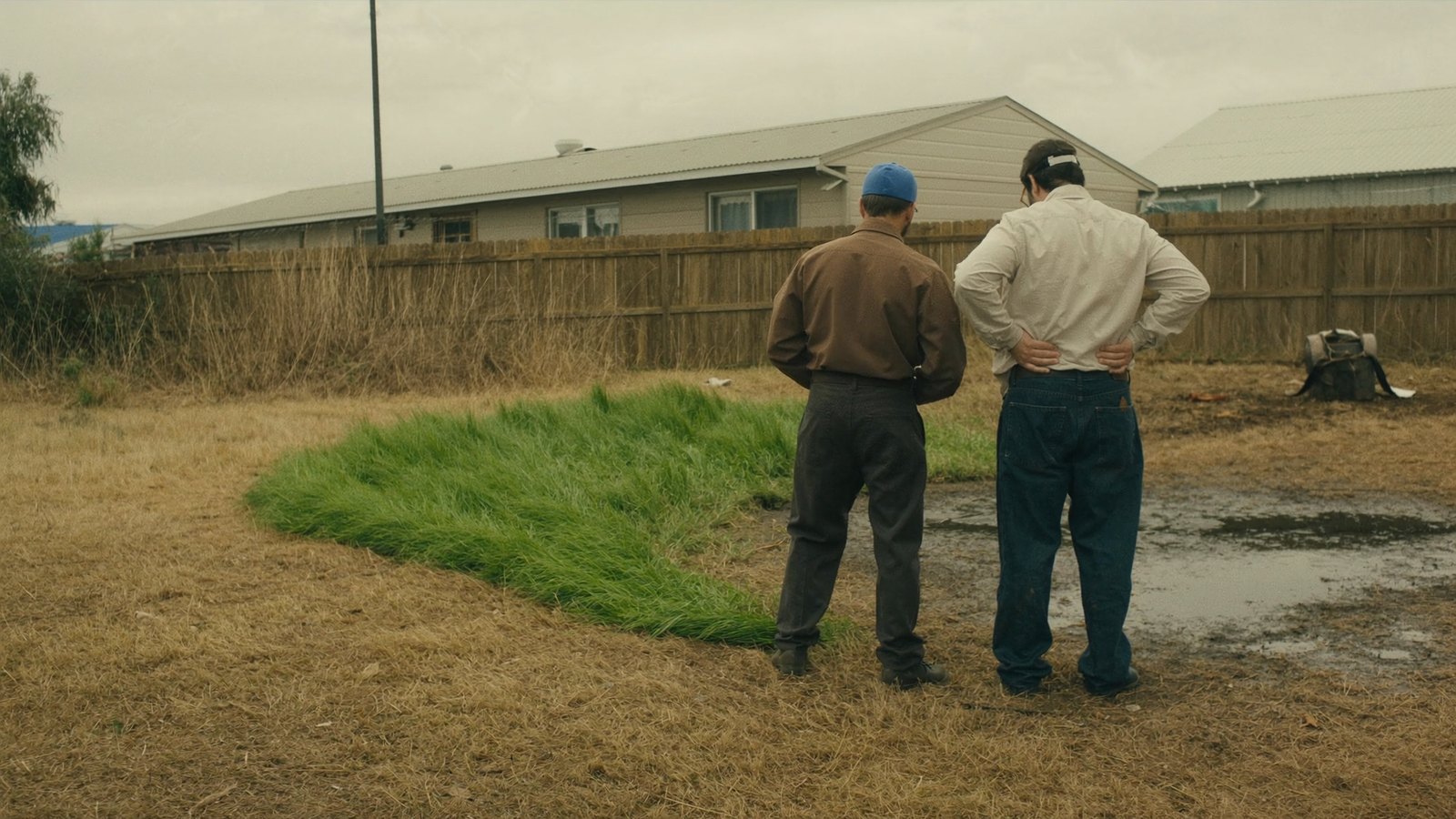
Grass that is noticeably greener, thicker, and taller in one strip is being fertilized by effluent that should be staying underground. It is a pretty sign of an ugly problem. Homeowners often notice this months before anything else goes wrong, which makes it one of the most useful early warnings you can get.
Almost every septic emergency we get called to was a small, cheap problem three months earlier.
Sewage coming back up into the house is the most urgent sign on this list. If it happens, stop running water immediately. No laundry, no dishwasher, no long showers. Every gallon you send down the line has to go somewhere, and right now it is coming back into your house.
Call us the same day. A backup can be a full tank, a collapsed line, or a completely failed field, and the difference matters a great deal to the repair.
If you have an aerobic system, it has a control panel with an alarm light and usually a buzzer. When that goes off, something specific has failed: the air pump, a float, or the pump that moves treated water out to the spray heads. Silencing the alarm and ignoring it is the most common mistake we see.
Aerobic systems are designed to tell you when they need help. Take them up on it.
Most of what we dig up traces back to a short list. Pumping that got put off a few years too long. A drain field with a driveway, a shed, or a heavy trailer parked on top of it. Tree roots working their way into the lines. Wipes and grease going down drains they should not. Or simply an old system that was undersized for a household that has grown since it went in.
If you spotted one sign on this list, cut back on water use, keep vehicles and equipment off the drain field, and note when the tank was last pumped. If you spotted two or more, call us before you do anything else. Running a struggling system harder is how a repair becomes a replacement.
Tim, Lois, and our crew handle septic inspection, pumping, and repair across Central Texas, and we would much rather catch a small problem than dig out a big one. Call (254) 744-5856 for an honest look and a free estimate. No pressure, no upselling, and a straight answer about what your system actually needs.
more news

View All
From new installs to fast repairs, Tim and Lois Rhodes keep Central Texas flowing. Get an honest, no pressure estimate today. We come out, look at your land and your system, and tell you plainly what it needs and what it will cost. No call center, no upselling, and no charge for the estimate.
Get an Estimate

When Your System Gets Crusty, Call Dusty
Mon - Fri 8am - 8pm
Office: 254-744-5419
Sat - Sun
24/7 Service: 254-744-5384
© Dusty Rhodes Septic & More LLC. All rights reserved. Designed by Cedarsphere.